
Working Hours of CIHTS

Sr.Name of Department / PostWorking HourLunch Break
1

Teaching (Regular)

Teaching (Tutorial)

8:00AM – 1:15PM

2:30PM – 4:30PM

 
2

Non Teaching

10:00AM – 5:00PM

1:00PM – 1:30PM
3

Research

10:00AM – 5:00PM

1:00PM – 1:30PM
4

Library

9:00AM – 6:30PM

9:00AM – 5:00PM
(In Summer)

1:00PM – 1:30PM
5

Electrician 

6:00AM – 2:00PM

2:00PM – 10:00PM

10 :00PM- 6:00AM

 
6

Pump Operator

6:00AM – 2:00PM

2:00PM – 10:00PM

10 :00PM- 6:00AM

 
7

Plumber

9:00AM – 5:00PM1:00PM – 2:00PM
8

Mali

9:00AM – 5:00PM1:00PM – 2:00PM
9

Safaiwala

7:00AM – 5:00PM

8:00AM – 5:00PM

12:00PM – 2:00PM

1:00PM – 2:00PM

ཤེས་ཡོན་རིག་སྡེ།

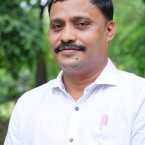
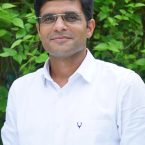
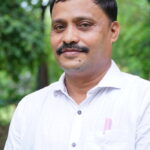
ANURAG TRIPATHI

Dr. Anurag Tripathi

Assistant Professor of Hindi

Profile: Anurag Tripathi did his Ph.D. from Udai Pratap Autonomous College, Varanasi. He is currently working as Assistant Professor of Hindi in the Department of Classical and Modern Languages, Faculty of Shabda Vidya. His teaching area involves Hindi fiction, Modern poetry, History of Hindi Literature, Grammar and Poetics. Apart from this, he has made a significant contribution in designing the curriculum.

His research interest is centered on Modern Hindi Literature and Buddhist philosophy and Feminist studies. He has expertise in Chhayavad, Hindi Criticism, Linguistics, Indian and Western Poetry.

Keeping in mind the innovations around language and new approaches to teaching-learning, he organizes workshops, seminars, debate, and essay writing competitions from time to time.

ཤེས་ཡོན་རིག་སྡེ།

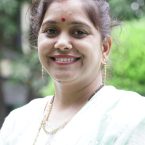
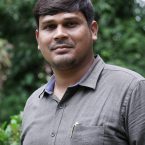
JYOTI SINGH

Dr. Jyoti Singh

Assistant Professor of Hindi

Profile:  Dr. Jyoti Singh did her Ph.D. from Banaras Hindu University, Varanasi. She is currently working as Assistant Professor of Hindi in the Department of Classical and Modern Languages, Faculty of Shabda Vidya. Her teaching area involves Hindi fiction, Modern poetry, Grammar and Poetics. Apart from this, she has made a significant contribution in designing the curriculum.

Her research interest is centered on Modern Hindi Literature and Kavindra Ravindra and Bangla, and Comparative Study of Hindi Literature. Dr. Jyoti Singh has expertise in Chhayavad, Hindi Criticism, Linguistics, Indian and Western Poetry.

Keeping in mind the innovations around language and new approaches to teaching-learning, she organizes workshops, seminars, debate, and essay writing competitions from time to time.

ཤེས་ཡོན་རིག་སྡེ།

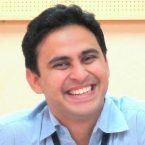
MAHESH SHARMA

Dr. Mahesh Sharma

Assistant Professor of English

Dr Mahesh Sharma has been serving as Assistant Professor of English at the Central Institute of Higher Tibetan Studies (CIHTS), Sarnath, since 2018. He teaches at both undergraduate and postgraduate levels in the Department of Classical and Modern Languages. Dr Sharma obtained his M.Phil. from the University of Rajasthan, with a research focus on Rasa Theory and Indian Aesthetics. He earned his Ph.D. in Postcolonial Theory and Literature from the Department of Indian and World Literatures, The English and Foreign Languages University (EFLU), Hyderabad.

His academic and pedagogical engagements span a wide range of interdisciplinary subjects, including Tibetan Literature in English, Indian Knowledge Systems, Indian Aesthetics, English Fiction, and Literary Theory and Criticism. Dr Sharma has guided over twenty MA dissertations on diverse and eclectic topics. He has published extensively in peer-reviewed journals on subjects such as postcolonialism, cosmopolitanism, literary theory, and the emerging field of ‘Sorry Literature.’

In addition to his critical scholarship, Dr Sharma is an accomplished creative writer in both Hindi and English, with several published short stories that have earned him literary recognition and awards. He has actively contributed to digital education initiatives, having designed and anchored multiple Massive Open Online Courses (MOOCs) for the Educational Multimedia Research Centre (EMMRC), EFLU Hyderabad. He also holds postgraduate certifications in the teaching of English—PGCTE and PGDTE—from EFLU.

Dr Sharma is a seasoned teacher-trainer, having conducted numerous Faculty Development Programmes (FDPs), particularly in the North-Eastern region of India. At CIHTS, he also plays key institutional roles as the Coordinator of the Internal Quality Assurance Cell (IQAC), Research and Development Cell, and National Education Policy (NEP) initiatives. He actively promotes co-curricular engagement through student-led platforms such as the CIHTS English Club and the Documentary Club.

His current research project, a monograph titled Narrating Memory: Nostalgia and Trauma in Francophone Novels, investigates the complex identity politics of postcolonial communities—including the Harkis, pieds-noirs, rapatriés, and appelés—through the lens of collective memory, nostalgia, and trauma in postcolonial Francophone literature.

ཤེས་ཡོན་རིག་སྡེ།

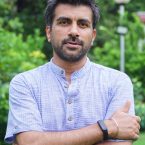
JASMEET GILL

Dr. Jasmeet Gill

Assistant Professor of English (Contractual)

Jasmeet Gill holds a PhD from Jawaharlal Nehru University and teaches English in the Dept. of Classical and Modern Languages, Faculty of Shabda Vidya. His teaching responsibilities function around a dynamic coursework constituted of English Poetry, Modernist Fiction, Indian Writing in English, and Literary theory.

His research interests focus on the exploration of issues related to problematics of defining and practicing World Literature; navigating through the epiphanies of Literary Modernism and relationship with Art forms; and Latin American writing. He remains constantly invested in learning and practice of Phonetics, Romance Languages, and World Cinema. Experiencing privileged in the company of learners, Jasmeet envisions special interest in organizing book and film club activities and arranging essay-writing workshops.

ཤེས་ཡོན་རིག་སྡེ།

ANIMESH PRAKASH

Dr. Animesh Prakash

Assistant Professor of Pali

Profile: Dr. Animesh Prakash (Ph.D., BHU, 2013) has been working as an Assistant Professor in Pāli at the CIHTS, Sarnath since September 2018. Previously, he was serving as an Assistant Professor in Pāli at K. J. Somaiya Centre for Buddhist Studies, Mumbai (A recognised centre of the University of Mumbai). His research focuses on “the application of Vipassanā meditation in Psycho-therapy.” He has been trained in Classical Tibetan language at the Rangjung Yeshe Institute, Kathmandu University and at the University of Hong-Kong, HK. Currently, he is working on the Transmission of Theravāda discourses in Tibetan Canon.

His area of research interest can be summarised under the following heads applied to the Theravāda school of Buddhism.

  • Mind and Mental Training in Early Buddhist Literature;
  • Abhidhamma Philosophy;
  • Pāli Language and Literature; and
  • Dissemination of Theravāda Discourses in Tibet.

ཤེས་ཡོན་རིག་སྡེ།

RAVI RANJAN DIWEDI

Dr. Ravi Ranjan Diwedi

Assistant Professor of Pali

Profile:  Dr. Ravi Ranjan Diwedi has completed Ph.D. in Pali from Banaras Hindu University and teaches Pali in the Department of Classical and Modern Languages, Faculty of Shabda Vidya at CIHTS since 23 August, 2017. His teaching area includes Pali literature, Buddhist philosophy and grammar.

His area of research interest can be summarized under the following heads: Buddhism and Human Rights, Early Buddhist Jurisprudence and Constitution of Buddhism. He has been organizing workshops and seminars from time to time to develop interests in academic fields.